Turmeric:The Golden Spice Taking Over Wellness – What’s the Hype?
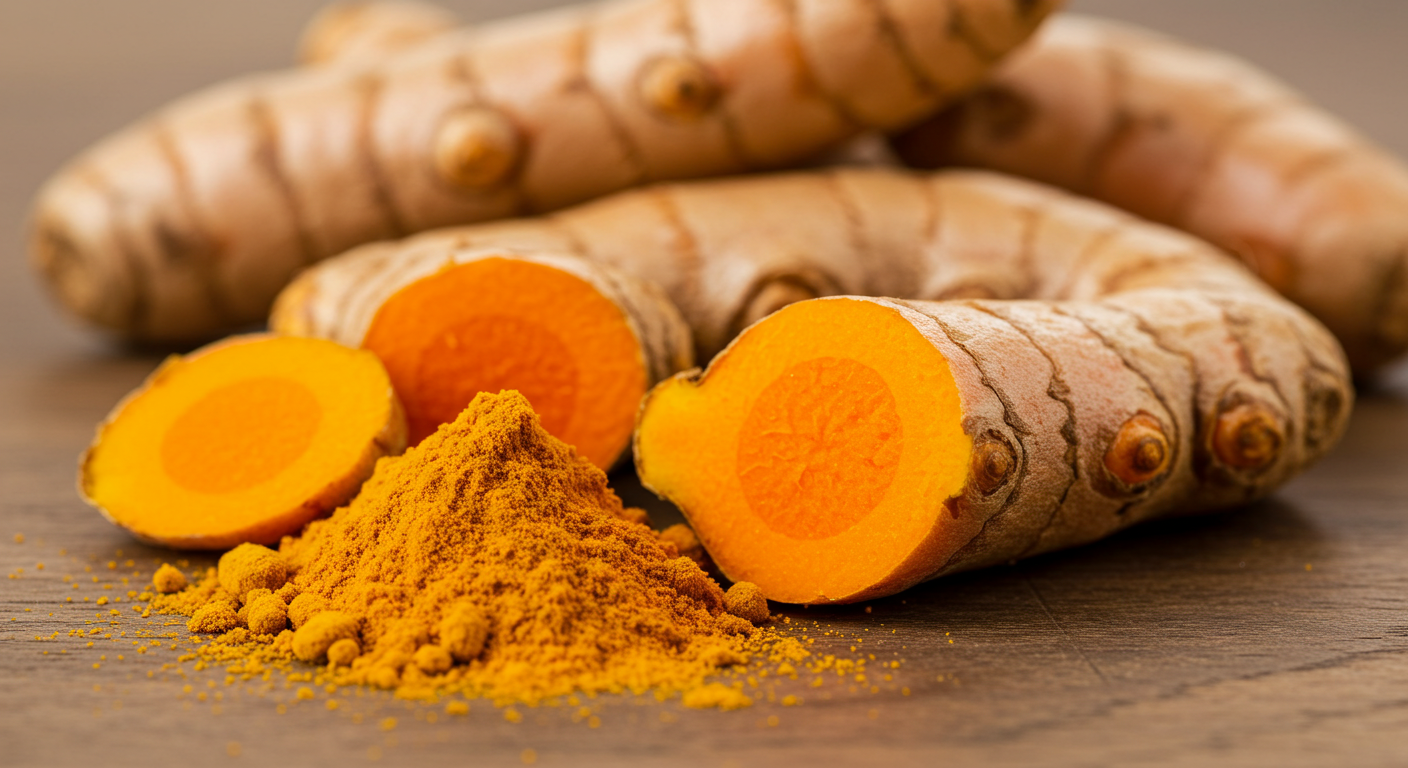
Discover the incredible health benefits of turmeric, the golden spice! From its powerful antioxidant properties to its potential for boosting brain function, learn why everyone's talking about it and how to incorporate it into your routine. Unlock the secrets of this ancient remedy...
Key Takeaways
Powerful antioxidant & anti-inflammatory
Supports healthy joints & digestion
Boosts brain function & mood
Easy to add to food & supplements
Ancient remedy, modern benefits
At the heart of turmeric's magic lies curcumin. Curcumin is the primary bioactive compound in turmeric, and it's responsible for most of its remarkable health benefits. However, it’s important to understand that curcumin has a low bioavailability – meaning your body doesn’t absorb it easily. We’re going to talk about how to overcome this challenge later.
What Does the Science Say
Let's break down the science behind turmeric’s growing popularity. The primary reason for the buzz is curcumin’s potent antioxidant and anti-inflammatory properties. Oxidative stress, caused by free radicals, damages cells and contributes to aging and chronic diseases. Curcumin acts as a powerful scavenger, neutralizing these free radicals and protecting your body from harm. Inflammation, while a natural response to injury or illness, becomes problematic when it’s chronic. Chronic inflammation is linked to a wide range of conditions, including heart disease, cancer, Alzheimer's, and arthritis.
Numerous studies have demonstrated curcumin's ability to modulate inflammatory pathways in the body. It inhibits key enzymes involved in the inflammatory process, effectively reducing inflammation at its source. This is why you're seeing turmeric touted as a potential remedy for conditions like arthritis, where inflammation plays a major role. A meta-analysis published in the Journal of Medicinal Food found that curcumin supplementation significantly reduced pain and stiffness in patients with osteoarthritis.
Beyond inflammation, research suggests turmeric may offer a host of other benefits. Studies have explored its potential to improve brain function, boost mood, support heart health, and even protect against certain types of cancer. For example, curcumin's ability to cross the blood-brain barrier and its effects on brain-derived neurotrophic factor (BDNF) suggest it may play a role in preventing or managing cognitive decline and depression. BDNF is a growth hormone in the brain, and curcumin has been shown to increase its levels.
The Bioavailability Challenge and How to Solve It
As mentioned earlier, curcumin’s low bioavailability is a significant hurdle. Your body doesn’t readily absorb it from the digestive tract. This means that even if you’re consuming turmeric regularly, you may not be reaping the full range of its benefits. Fortunately, there are several strategies you can use to enhance curcumin's absorption.
- Pairing with Black Pepper: This is perhaps the most well-known and effective method. Black pepper contains piperine, a compound that significantly inhibits the metabolic breakdown of curcumin in the liver. Studies have shown that piperine can increase curcumin bioavailability by as much as 2000%!
- Combining with Healthy Fats: Curcumin is fat-soluble, meaning it’s better absorbed when consumed with fats. Adding a source of healthy fats, such as coconut oil, avocado, or olive oil, to your turmeric-containing meals can improve absorption.
- Using Liposomal Curcumin: Liposomal curcumin is a form of curcumin encapsulated in liposomes (tiny fat bubbles). This encapsulation protects curcumin from degradation in the digestive tract and enhances its absorption into the bloodstream.
- Taking Curcumin with Quercetin: Quercetin, a flavonoid found in many fruits and vegetables, has been shown to inhibit the enzymes that break down curcumin.
Incorporating Turmeric into Your Routine
Adding turmeric to your daily routine is surprisingly easy. Here are a few ideas:
- Turmeric Latte (Golden Milk): This delicious and warming beverage combines turmeric with milk (dairy or non-dairy), black pepper, ginger, and a sweetener of your choice. It’s a great way to start or end your day.
- Cooking with Turmeric: Add turmeric powder to your favorite dishes, such as soups, stews, curries, and roasted vegetables. It adds a vibrant color and a subtle earthy flavor.
- Smoothies: Add a teaspoon of turmeric powder to your smoothies for an extra boost of antioxidants and anti-inflammatory power.
- Supplements: If you prefer, you can take turmeric supplements. Look for supplements that contain black pepper or are formulated for enhanced bioavailability (like liposomal curcumin).
- Turmeric Paste: Create a turmeric paste by mixing turmeric powder with water and a pinch of black pepper. This paste can be added to various dishes or taken directly.
Safety and Considerations
Turmeric is generally considered safe for most people when consumed in moderate amounts. However, high doses of turmeric may cause mild digestive upset in some individuals. If you have any underlying medical conditions, such as gallbladder problems or bleeding disorders, it’s always a good idea to talk to your doctor before taking turmeric supplements.
Turmeric can also interact with certain medications, such as blood thinners. Therefore, it's crucial to consult with a healthcare professional if you’re taking any medications.
The Future of Turmeric Research
Research on turmeric and curcumin is ongoing, and scientists are continually uncovering new potential benefits. Clinical trials are exploring its role in preventing and treating a wide range of diseases. As our understanding of curcumin's mechanisms of action deepens, we can expect to see even more innovative ways to harness its therapeutic potential.
Turmeric is far more than just a spice; it's a powerful natural remedy with a rich history and a promising future. By understanding its benefits and how to maximize its bioavailability, you can easily incorporate this golden spice into your routine and experience its remarkable health-promoting effects. It’s a gift from nature, waiting to be unlocked.
Leave a Comment
Comments
Deprecated: Function mysqli_ping() is deprecated since 8.4, because the reconnect feature has been removed in PHP 8.2 and this function is now redundant in /users/herbfinds.com/htdocs/includes/db-connection-class-server.php on line 56
No comments yet. Be the first to share your thoughts!