Meet The Cleavers - The True And The False!
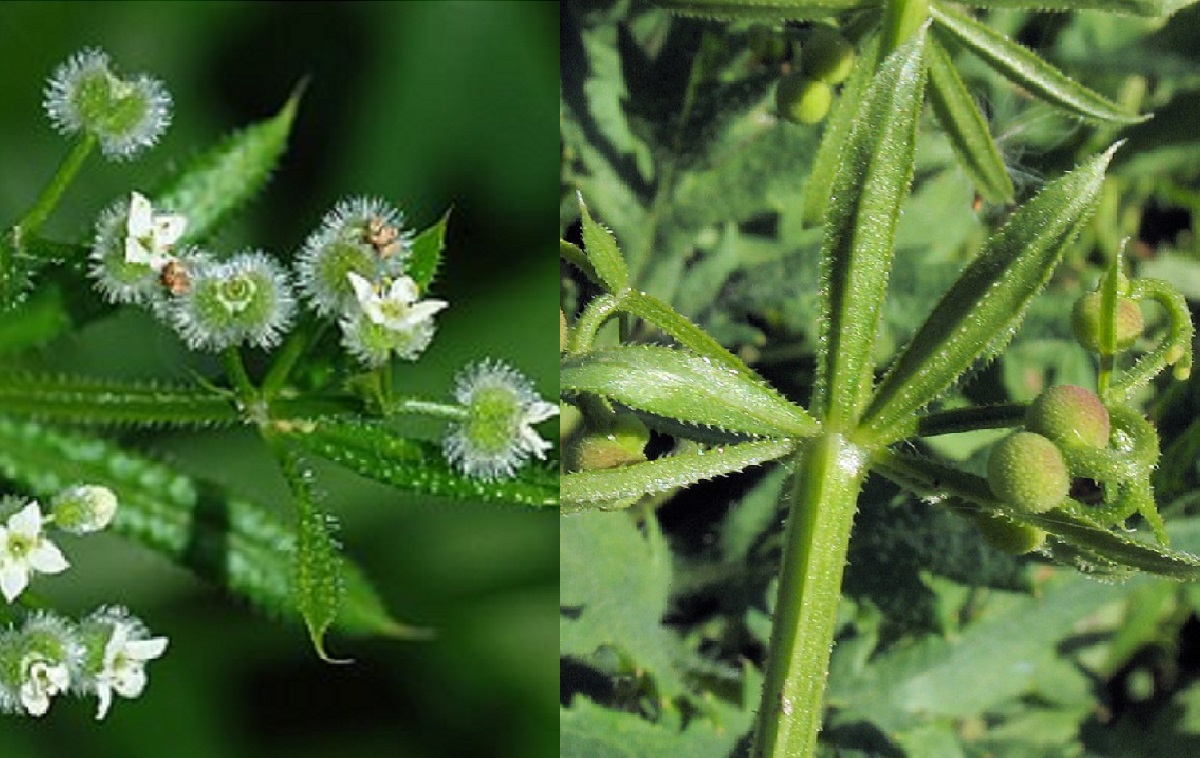
In the world of herbal medicine, few plants are as intriguing, and as easily confused, as true cleavers (Galium aparine) and false cleavers (Galium spurium). These sticky, clinging plants have been used for centuries in traditional remedies, but their differences matter more than you might think. One is a lymphatic powerhouse, while the other hides some surprising secrets. Let’s untangle the truth!
The Sticky Truth About Cleavers
Both true and false cleavers share that characteristic "velcro-like" texture, sticking to clothing and animal fur with ease; a clever seed dispersal tactic. But beyond their clingy nature, their medicinal properties diverge in fascinating ways. Historically, herbalists prized true cleavers for its gentle yet effective cleansing properties, while false cleavers often grew in the shadow of its more famous cousin.
1. True Cleavers (Galium aparine) - The Lymphatic Ally
This humble plant, also called "goosegrass" or "stickywilly," has earned its place in herbal medicine cabinets worldwide. Modern research is beginning to confirm what traditional healers long suspected:
- Lymphatic superstar: Stimulates lymph flow, helping reduce swelling and detoxify tissues
- Skin healer: Used in compresses for psoriasis, eczema, and minor wounds
- Urinary tonic: Soothes urinary tract infections and kidney stones
- Anti-inflammatory: Contains asperuloside, which may reduce inflammation
- Rich in vitamin C: Traditionally used to prevent scurvy
Fun fact: The young shoots are edible and make a nutritious addition to spring salads!
2. False Cleavers (Galium spurium) - The Misunderstood Twin
Often dismissed as just a weed, false cleavers actually has its own unique properties that deserve attention:
- Mild diuretic: Helps with water retention, though less potent than true cleavers
- Traditional wound care: Some cultures used it topically for minor cuts
- Potential antioxidant: Early studies show promising flavonoid content
- Historical use: Certain Native American tribes brewed it as a tea for nervousness
- Caution: Contains coumarins that may affect blood clotting in large amounts
Important note: False cleavers should not be used during pregnancy due to its potential uterine-stimulating effects.
3. Telling Them Apart - A Forager's Guide
While similar at first glance, these botanical cousins have distinct features:
- Stems: True cleavers have square stems with backward-pointing bristles; false cleavers are rounder and less bristly
- Leaves: True cleavers have whorls of 6-8 leaves; false cleavers typically have 6
- Flowers: True cleavers have tiny white flowers; false cleavers' are more yellowish
- Growth habit: True cleavers are more sprawling; false cleavers grow more upright
4. Historical Uses That Might Surprise You
Both plants have fascinating histories beyond medicine:
- True cleavers were used to strain milk (hence the name "cheese rennet herb")
- Pioneers stuffed mattresses with dried cleavers for its springy texture
- False cleavers was sometimes called "bedstraw" and used as stuffing too
- In Denmark, true cleavers was traditionally fed to geese to fatten them up
How to Use Cleavers Safely and Effectively
- Harvesting tips: Gather true cleavers in spring when young and tender. Wear gloves, those bristles are prickly!
- Fresh is best: The juice of fresh true cleavers is considered most medicinally potent
- Tea preparation: Steep 1-2 teaspoons of dried herb in hot water for 10 minutes
- Topical use: Apply cooled tea as a compress for skin irritations
- Identification certainty: When in doubt, consult an expert; misidentification could mean missing benefits or potential risks
- Duration: Use true cleavers for 2-3 weeks at a time for lymphatic support, then take a break
The Science Behind The Stickiness
Recent studies have uncovered fascinating details about these plants:
- True cleavers contains phenolic acids that may support immune function
- Both species demonstrate antimicrobial activity in lab studies
- The sticky hairs use a remarkable "hook-and-loop" mechanism similar to Velcro
- Some research suggests true cleavers may have mild antitumor properties
Final Thoughts
The cleavers story reminds us that nature often creates pairs, one celebrated, one overlooked, each with unique gifts to offer. True cleavers stands as a gentle but powerful lymphatic cleanser, while false cleavers waits patiently for its full potential to be understood. As with all herbs, knowledge and proper identification are key. Next time you feel something clinging to your pants during a walk, take a closer look, you might have just met one of herbal medicine's most interesting botanical pairs!
Want to experience the benefits of true cleavers for yourself? Our organic, wildcrafted cleavers tincture captures the plant's full-spectrum goodness. Shop now and give your lymphatic system some loving support!
Leave a Comment
Comments
Deprecated: Function mysqli_ping() is deprecated since 8.4, because the reconnect feature has been removed in PHP 8.2 and this function is now redundant in /users/herbfinds.com/htdocs/includes/db-connection-class-server.php on line 56
No comments yet. Be the first to share your thoughts!