Goldenrod for Urinary Health: Nature's Gentle Remedy for a Happy Bladder
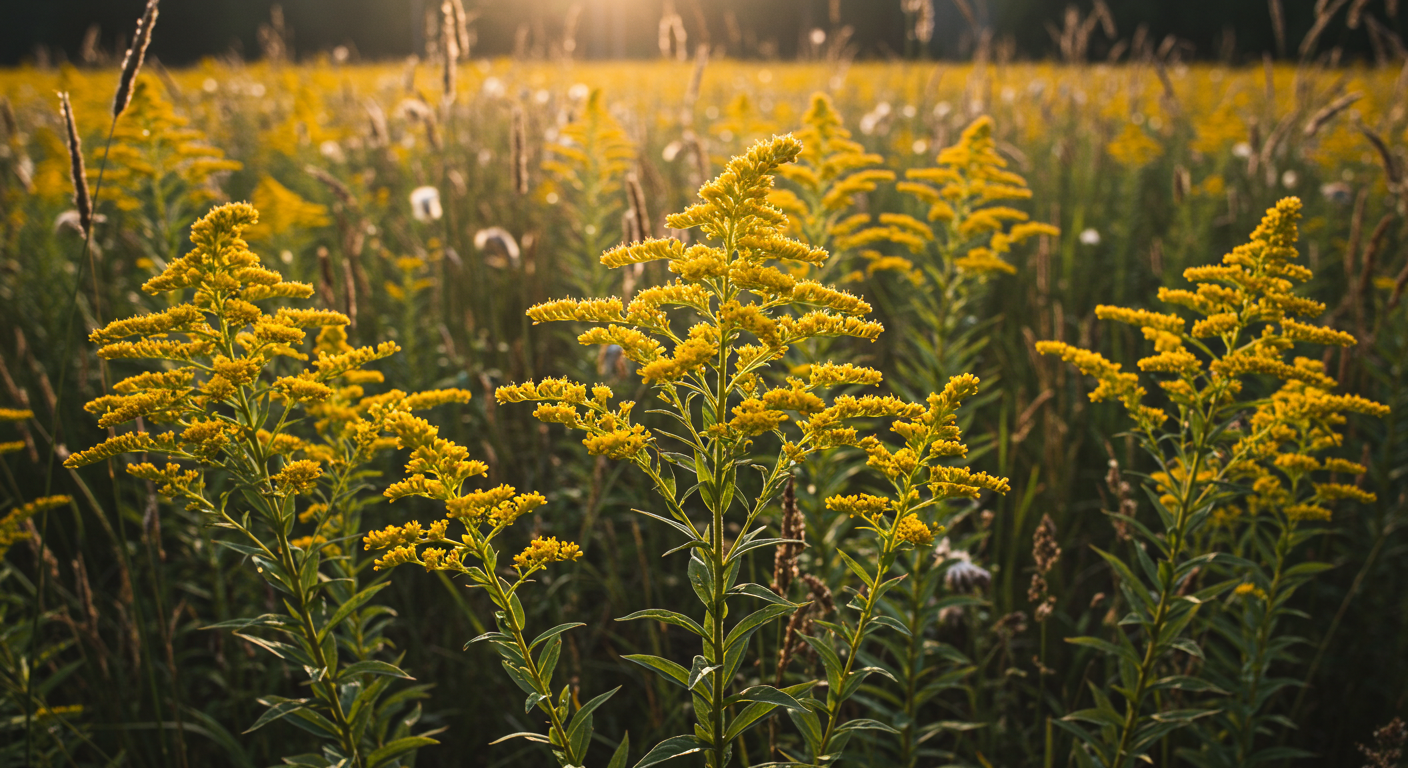
Discover the surprising benefits of goldenrod for urinary health! Learn how this often-overlooked herb can provide gentle relief from discomfort and support a healthy bladder. Explore its traditional uses, scientific backing, and safe usage guidelines...
Key Takeaways
- Goldenrod’s compounds ease urinary discomfort
- It’s a gentle diuretic, promoting flow
- Historically used for bladder and kidney support
- Combine with other herbs for enhanced benefits
- Consult a professional before use always
Goldenrod, often dismissed as a common roadside weed, holds a surprising secret
it's a powerful ally for urinary tract health. While many associate it with allergies, the plant's true potential lies in its ability to gently support the kidneys and bladder. Let’s delve into the fascinating world of goldenrod and uncover how it can contribute to a happier, healthier urinary system.
For centuries, goldenrod (Solidago spp.) has been utilized in traditional medicine systems across North America and Europe. Native American tribes recognized its medicinal properties, employing it for a wide range of ailments, including urinary problems, wound healing, and fever reduction. European herbalists followed suit, incorporating it into their remedies for similar purposes. The plant’s long history of safe and effective use underscores its inherent benefits.
So, what makes goldenrod so effective for urinary health? The answer lies in its complex chemical composition. Goldenrod is rich in flavonoids, phenolic acids, and terpenoids, all of which contribute to its therapeutic properties. These compounds exhibit several actions beneficial for the urinary tract.
One of the most significant ways goldenrod supports urinary health is through its gentle diuretic effect. Diuretics help increase urine production, which can help flush out bacteria and debris from the urinary tract. This is particularly helpful for individuals prone to urinary tract infections (UTIs) or those experiencing discomfort due to urinary stagnation. Unlike harsh diuretic medications, goldenrod's action is mild and sustained, minimizing potential side effects.
Beyond its diuretic action, goldenrod possesses anti-inflammatory properties. Inflammation is a common factor in many urinary conditions, from UTIs to interstitial cystitis. By reducing inflammation in the urinary tract, goldenrod can help alleviate pain, swelling, and discomfort. The flavonoids present in goldenrod are potent antioxidants, further contributing to its anti-inflammatory effects. They neutralize free radicals, protecting cells from damage and promoting overall urinary tract health.
The plant also contains compounds that may help inhibit bacterial growth. While not a substitute for antibiotics in cases of severe infection, goldenrod's antibacterial properties can contribute to preventing UTIs and supporting the body's natural defenses. Research suggests that certain goldenrod extracts may possess activity against common UTI-causing bacteria, although more studies are needed to fully understand the mechanisms involved.
Let’s address the common misconception that goldenrod causes allergies. This is often confused because it blooms at the same time as ragweed, which is a significant allergen. Ragweed releases pollen into the air, and goldenrod blooms abundantly during this period, leading many to mistakenly attribute their allergy symptoms to the plant itself. Goldenrod pollen is actually heavy and sticky, so it doesn't travel far on the wind. It's the ragweed, not the goldenrod, that’s the true culprit in seasonal allergies.
Now, let's explore how to incorporate goldenrod into your wellness routine. Goldenrod is available in various forms, including dried herbs for teas, tinctures, capsules, and creams.
Tea: To make goldenrod tea, steep 1-2 teaspoons of dried goldenrod in a cup of hot water for 10-15 minutes. Strain the tea and enjoy. It has a slightly bitter taste, which can be masked with a touch of honey or lemon.
Tincture: Goldenrod tinctures offer a concentrated dose of the plant’s beneficial compounds. They are typically taken under the tongue for optimal absorption. Follow the dosage instructions provided on the product label.
Capsules: Goldenrod capsules offer a convenient way to take the herb, especially for those who dislike the taste of tea or prefer a standardized dosage.
Creams: Goldenrod-infused creams can be applied topically to soothe irritated skin and reduce inflammation in the pelvic area.
When using goldenrod for urinary health, it's often combined with other complementary herbs. Uva ursi (bearberry), known for its potent antibacterial properties, is a common pairing. Dandelion leaf, another gentle diuretic, can enhance goldenrod’s ability to flush out toxins. Marshmallow root, known for its soothing properties, can help protect the urinary tract lining.
However, as with any herbal remedy, it's crucial to exercise caution and consult with a qualified healthcare professional before using goldenrod, especially if you have any pre-existing medical conditions or are taking medications. Goldenrod may interact with certain diuretics and blood thinners. Individuals with allergies to plants in the Asteraceae family (such as ragweed, chrysanthemums, and marigolds) should avoid goldenrod due to the potential for cross-reactivity.
Pregnant or breastfeeding women should also avoid goldenrod due to a lack of sufficient safety data. While traditional use suggests safety, it’s always best to err on the side of caution during these periods.
Goldenrod, often overlooked and misunderstood, is a valuable resource for supporting urinary health. Its gentle diuretic action, anti-inflammatory properties, and potential antibacterial effects make it a natural ally for those seeking relief from urinary discomfort and promoting overall urinary tract wellness. By understanding its benefits and using it responsibly, you can harness the power of this often-overlooked herb and contribute to a happier, healthier you. Remember to always prioritize safety and consult with a healthcare professional before incorporating any new herbal remedies into your routine...
Leave a Comment
Comments
No comments yet. Be the first to share your thoughts!